


    |
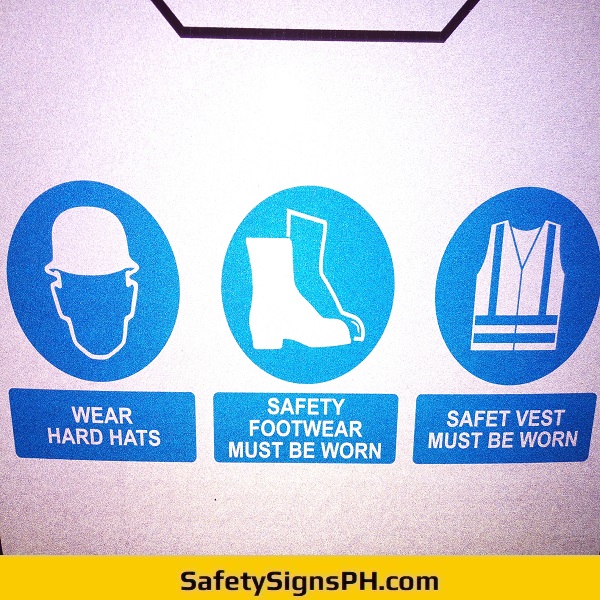
| Warehouse operations in the Philippines—whether handling rice, electronics, or construction materials—depend heavily on clear visual communication to protect workers, visitors, and property. The Department of Labor and Employment (DOLE), together with the Occupational Safety and Health Center (OSHC), mandates the use of standardized safety signages that conform to the Philippine National Standards (PNS) and the internationally recognized ISO 7010 system. While the basic color‑coding and symbol conventions are the same everywhere, Philippine warehouses often adapt the signs to local languages, cultural symbols, and the specific hazards found in the region’s tropical climate and bustling logistics chains. 1. Danger and Prohibition Signs The most urgent messages are conveyed through red‑bordered signs with white backgrounds and a bold black symbol. Typical examples include “No Smoking – Flammable Materials Inside,” “No Entry – Forklift‑Only Zone,” and “Do Not Operate Machinery Without Protective Guard.” Because many warehouse workers speak Tagalog or Visayan dialects, the text is frequently bilingual: English for regulatory compliance and Filipino for quicker comprehension (e.g., “Bawal Magyosi – May Sunog na Materyales”). These signs are placed at entry points, near fuel storage, and at the perimeters of high‑risk equipment. 2. Warning Signs Yellow triangles with black pictograms warn of less‑immediate hazards. Common Philippine warehouse warnings read “Slippery Floor When Wet” (important during the rainy season), “Beware of Low Ceiling – Wear Hard Hat,” and “High Voltage – Keep Clear.” To accommodate workers who may have limited literacy, the symbols are deliberately simple: a water droplet for wet floors, a hard hat silhouette for head‑injury risk, and a lightning bolt for electrical danger. Where space permits, a short Filipino phrase such as “Mabigat na Karga – Huwag Lumusot” (Heavy Load – Do Not Pass) reinforces the message. 3. Mandatory (Instruction) Signs Blue signs with white symbols indicate required actions. In Philippine warehouses, one often sees “Wear Safety Shoes,” “Use Ear Protection – High Noise Area,” and “Keep Aisles Clear – No Pallets Blocking Path.” The inclusion of “PPE Required – Gamitin ang Tamang Kagamitan” helps bridge language gaps. Because many workers are seasonal or hired through temporary agencies, these signs are positioned at changing‑room exits, near conveyor belts, and at the start of noisy sections to ensure compliance before exposure. 4. Emergency and Safe‑Route Signs Green signs point to first‑aid stations, fire‑extinguishers, and emergency exits. The Philippines’ frequent typhoon seasons and occasional electrical overloads make clear evacuation routes essential. Typical signage reads “Fire Exit – Tamang Daan Patungo sa Labas,” “First‑Aid Kit – Malapit na,” and “Emergency Shower – Para sa Kemikal.” Isochronous photoluminescent stickers are increasingly used on exit doors so that the pathway remains visible even during power outages—a practical adaptation for the archipelagic context where blackouts can occur. 5. Information and House‑keeping Signs White background signs with black text provide logistical guidance. “Maximum Load – 2,000 kg” on pallet racks, “Restricted Access – Authorized Personnel Only,” and “Loading Bay – Slow Down” are staples. In mixed‑language environments, the sign may read “Pinakamataas na Load – 2,000 kg (Authorized Personnel Only)” to avoid confusion between English‑trained supervisors and Filipino‑speaking floor staff. Localization Nuances Beyond language, Philippine safety signs often incorporate culturally familiar imagery. For example, the “No Smoking” icon may feature a small cigarette crossed out next to a stylized mango tree, subtly reminding workers of the agricultural origins of many warehouse goods. Moreover, signs are fabricated from weather‑resistant PVC or aluminum to withstand high humidity, intense UV exposure, and occasional flooding. Effective warehouse safety signage is a cornerstone of warehouse risk management in the Philippines. By adhering to the red‑danger, yellow‑warning, blue‑mandatory, green‑emergency, and white‑information color scheme, while integrating bilingual text and climate‑resilient materials, Philippine warehouses create a visual safety network that speaks to the diverse workforce and mitigates the unique hazards of the local environment. Consistent placement, regular inspection, and worker training on sign meanings ensure that these symbols remain more than static pictures—they become everyday prompts that safeguard lives and keep the supply chain moving smoothly. Looking for a professional maker of customized warehouse safety signs in the Philippines? You're in the right place! Don't hesitate to message us today to request a free, no-obligation quotation. Related Product:   |
 |


No Comments yet. Add your Comments now!
Post a Comment