
SafetySignsPH.com Shopping Cart Details
Welcome to SafetySignsPH.com, a one-stop shop for all your custom safety signage needs! We are an expert safety signs supplier and maker in the Philippines that you can rely on. Please note that prices are by default set to ₱0.00. Actual pricing of the safety signage(s) will be specified in the formal quotation/billing that we'll send to you. Once done, click "Send Orders" (green button) below then input your contact information. Make sure you use the Message Box to indicate the specifications such as dimension, materials, quantity, and other pertinent details, so we can send an accurate quote. We will get back to you as soon as possible!| Order Details | Amount |
|---|---|
| GRAND TOTAL: |
Checkout

Popular Products
-
 The Land Transportation Office (LTO) in the Philippines maintains a comprehensive system of traffic signs and symbol...
 -
 More than just simple placards, "No Trespassing" signs, often written in a mix of English and F...
 -
 Compliant with building fire codes and standards in the Philippines, our illuminated exit signs work day and...
 -
 Deliver a safe and clear egress route to building occupants with our customized photoluminescent evacuation p...
 -
 Fire safety is a critical concern in any inhabited space, and it is essential for individuals to be famili...
One-Stop Safety Signage Shop

Your Safety is Our Priority.
Custom & Ready-Made Designs

Various options to choose from
Quick Turnaround Time

Nationwide delivery available
Request A Free Quote Today!

Contact us for further details.
Critical Role of Safety Signs in Fire Prevention
   |
Fire remains one of the most devastating hazards in the Philippines, a nation prone to dense urban settlements, informal housing, and industrial zones where combustible materials are abundant. Compliance is not merely bureaucratic; studies conducted by the Bureau of Fire Protection (BFP) show that establishments with properly placed and well‑maintained signage experience up to 40 % fewer fire‑related injuries and 30 % faster evacuation times compared to those without. In highly trafficked areas such as Manila’s transport terminals, Metro‑Manila malls, and the bustling ports of Cebu and Davao, the visible presence of pictograms—depicting fire extinguishers, fire alarm pull stations, and “Fire Exit” arrows—creates an ingrained culture of vigilance among commuters, workers, and shoppers alike. Related Product:   |
 |
Why Construction Safety Signages Are Necessary
 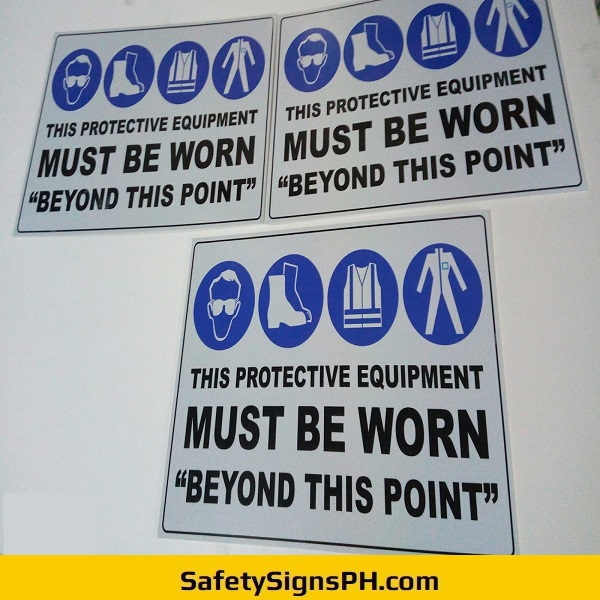    |
| The Philippines’ construction sector is booming. Skyscrapers now punctuate the Manila skyline, highways snake through the archipelago, and massive housing projects rise in the provinces. With this rapid development comes a stark reality: every day, thousands of workers, visitors, and passers‑by share the same congested sites, each exposed to hazards ranging from falling objects and heavy machinery to extreme weather and uncontrolled traffic. In such an environment, construction safety signage is not merely a decorative add‑on—it is a critical component of risk‑management, legal compliance, and operational efficiency. Below are the most compelling reasons why any construction stakeholder in the Philippines should prioritize the installation of high‑quality, standards‑compliant safety signs. 1. Legal Mandates and Regulatory Compliance a. Department of Labor and Employment (DOLE) Orders – DOLE Administrative Order 2003‑01 and the Occupational Safety and Health (OSH) Standards for Construction explicitly require the use of safety signs to warn of hazards, indicate required protective equipment, and control site access. Non‑compliance can lead to fines, work stoppages, or even criminal liability under the Philippine Labor Code. b. National Building Code & Local Ordinances – Municipal and city building offices routinely inspect sign placement during the issuance of permits and the final occupancy clearance. Proper signage can thus smooth the permitting process and avoid costly re‑inspection cycles. c. International Standards Alignment – The Philippines adopts the Philippine National Standards (PNS) 011:2018 for safety signs, which are harmonized with ISO 7010 and the U.S. OSHA standards. Aligning with these benchmarks not only satisfies local law but also positions projects for future foreign investment and joint‑venture opportunities. 2. Reducing Accidents and Saving Lives a. Instant Hazard Communication – A bright, universally‑recognized sign at a crane‑loading zone tells a worker in a split second to wear a hard hat and high‑visibility vest, dramatically cutting the likelihood of head injuries. b. Controlling Public Interaction – In densely populated urban sites, pedestrians often wander into dangerous zones. “No Entry – Construction Area” signs, coupled with physical barriers, keep civilians safe and protect the project from liability claims. c. Weather‑Related Risks – The Philippines is prone to typhoons, heavy rain, and intense sun. Weather‑specific signs (“Rain‑Water Accumulation – Wear Non‑Slip Footwear,” “Heat Stress – Stay Hydrated”) remind crews to adjust work practices before conditions become fatal. Statistical data from DOLE’s 2022 Safety Report shows that sites with comprehensive signage experienced a 30‑40 % reduction in recordable injuries compared with those relying solely on verbal warnings or training. 3. Boosting Productivity and Project Efficiency a. Clear Instructions Reduce Rework – When a sign reads “Only Use 20‑ton Rated Forklift Here,” operators avoid overloading equipment, preventing equipment damage and costly downtime. b. Faster Orientation for New Workers – The Philippines’ construction labor pool is fluid; new laborers join a site almost daily. Visible signs serve as a quick‑reference onboarding tool, shrinking the learning curve and allowing supervisors to focus on skill development rather than repetitive safety briefings. c. Enhanced Coordination Among Trades – Separate signs for electrical, plumbing, and structural zones prevent cross‑interference. For instance, a “Live Electrical – 220 V” sign warns the masonry crew to keep a safe distance, averting accidental electrocution and the subsequent work stoppage. 4. Cost‑Effectiveness Over the Long Term A common misconception is that safety signage adds a sizable expense to the project budget. In reality, the cost of a high‑quality, weather‑resistant sign is often less than 0.5 % of the total material budget, while the financial impact of a single serious accident can reach millions of pesos in medical expenses, legal fees, compensation, and reputational damage. Example: A 150‑meter high‑rise project in Quezon City allocated ₱250,000 for a full suite of safety signs. Six months later, the site reported zero lost‑time incidents, saving an estimated ₱5‑million in potential injury claims and productivity loss. The return on investment (ROI) was therefore 2,000 %. 5. Strengthening Company Reputation and Stakeholder Confidence Clients, investors, and the general public increasingly scrutinize a contractor’s safety culture. Publicizing a comprehensive signage system—especially one that meets PNS and ISO standards—signals a commitment to worker welfare and responsible operations. This can be a decisive factor in winning government contracts, securing foreign financing, and maintaining goodwill in the communities surrounding a site. 6. Tailoring Signage to the Philippine Context a. Bilingual Messaging – While English symbols are universally understood, adding Tagalog or regional language captions (“Mag‑ingat – Babala sa Pagbagsak”) ensures comprehension among local laborers who may have limited English proficiency. b. Climate‑Resilient Materials – UV‑stabilized aluminum, galvanized steel, and high‑density polyethylene (HDPE) resist corrosion from salt‑air in coastal areas and the relentless tropical rain. c. Cultural Sensitivity – Using locally familiar icons (e.g., a jeepney for “Vehicle Traffic”) helps bridge the gap between standard symbols and everyday experiences in the Philippines, increasing the likelihood that the sign’s message is acted upon. 7. Best Practices for Implementation Audit the Site Early – Conduct a hazard‑identification walk‑through before construction begins to map out where each type of sign is required. Adopt a Signage Plan – Draft a master layout, specifying size, mounting height, illumination (solar‑powered LEDs for night visibility), and maintenance schedule. Engage Certified Suppliers – Choose vendors accredited by the Bureau of Philippine Standards (BPS) to guarantee compliance with PNS 011. Train Supervisors on Sign Placement – Proper positioning (e.g., at eye level, unobstructed sightlines) maximizes effectiveness. Regular Inspection – Include sign integrity checks in daily safety rounds; replace torn or faded signs promptly. Conclusion In the rapidly expanding construction landscape of the Philippines, safety signage is a strategic asset rather than a decorative afterthought. It fulfills legal obligations, saves lives, enhances productivity, curtails costs, and projects a professional image that resonates with clients, regulators, and the community. By investing in durable, bilingual, and standards‑compliant signs—and by integrating them into a broader safety‑management system—developers, contractors, and owners can turn one of the simplest tools on the construction site into a powerful catalyst for safer, smoother, and more successful projects. If you are planning a new development, renovating an existing structure, or managing an ongoing construction venture, make the installation of proper safety signage one of the first items on your project checklist. The return on that modest investment will be measured not only in avoided accidents but also in the confidence of every worker who steps onto your site. Ensure the safety of construction workers and the public at all times with our customized safety signages. Feel free to message us today to request a free, no-obligation quote. Related Product:   |
|
Safety Signs in the Philippines: A Comparative Overview
 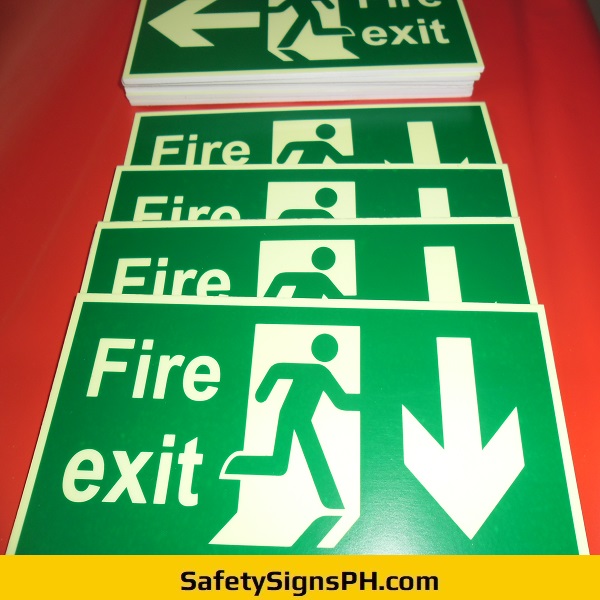 |
| Safety signs are the visual language of workplace protection, and in the Philippines they have evolved into a distinct blend of international standards and local regulations. The Department of Labor and Employment (DOLE), through the Occupational Safety and Health Standards (OSHS) Section 5, adopts the colour‑code, shape, and pictogram conventions set by the International Organization for Standardization (ISO 7010) and the American National Standards Institute (ANSI Z535). This alignment ensures that a “No‑Smoking” sign in Manila looks identical to one in Singapore or New York, facilitating instant recognition for multinational workers. Yet, the Philippine implementation adds a layer of cultural nuance: many signs are bilingual, displaying the mandatory English warning alongside a Tagalog translation, and certain icons—such as the “caution – high voltage” symbol—are often accompanied by a small illustration of a common local hazard (e.g., a exposed overhead cable typical of urban construction sites). When compared with neighbouring countries, the Philippines stands out for its rigorous enforcement through the DOLE‑OSHS Inspections, which require employers to conduct quarterly audits of sign placement, illumination, and durability. In contrast, Indonesia relies heavily on the Ministry of Manpower’s “Safety Signage Manual” that permits greater flexibility in design, while Malaysia’s Department of Occupational Safety and Health (DOSH) follows a stricter adherence to the British BS 5499 standards, resulting in a more uniform appearance across sectors. A notable divergence emerges in the treatment of “danger” versus “warning” signs. The Philippines distinguishes the two by using red triangular signs with a white border for “danger” (immediate hazard) and yellow diamond‑shaped signs for “warning” (potential hazard). This mirrors the U.S. ANSI system but differs from the European ISO 7010, where both categories share a similar amber background but differ only in the pictogram. Consequently, Filipino workers accustomed to the local system may experience a brief adjustment period when transferred to European sites. Finally, the rise of digital signage in the Philippines—driven by smart‑factory initiatives and the government’s “Build, Build, Build” infrastructure programme—has prompted a parallel comparison. While traditional static signs remain mandatory for compliance, many factories now supplement them with LED displays that flash real‑time hazard alerts. This hybrid approach, still uncommon in many ASEAN economies, positions the Philippines as a testing ground for next‑generation safety communication. In summary, safety signs in the Philippines represent a hybrid model: they honor global ISO/ANSI conventions for universal legibility, incorporate bilingual text for local relevance, and increasingly embrace digital technologies. The result is a robust, comparative framework that not only meets international benchmarks but also reflects the Philippines’ unique linguistic, cultural, and industrial landscape. Searching for a high quality customized safety signs at a price you can afford? You're in the right spot! Feel free to message us to request a free, no-obligation quotation. Related Product: |
|
Safety Signage Maker in the Philippines: What You Should Evaluate
  |
| When it comes to protecting workers, visitors and the public, the quality of safety signage can be the difference between a smooth operation and a costly accident. In the Philippines, where tropical heat, high humidity and intense sunlight are the norm, selecting a signage supplier that understands both local regulatory demands and the harsh environmental conditions is essential. Below are the most critical considerations you should evaluate before signing a contract with a safety‑signage maker. Regulatory Compliance and Certifications The Philippines adheres to several standards that govern occupational safety signs, notably the Department of Labor and Employment (DOLE) Safety Standards, the National Standards (PN) for “Safety Signs and Symbols,” and internationally‑recognized ISO 7010. A reputable maker will provide documentation—such as ISO‑9001 quality‑management certification or a product conformity certificate—that proves each sign meets these benchmarks. Ask for samples that display the required symbols, colour codes (e.g., red for prohibition, yellow for caution) and bilingual text (English/Filipino) as prescribed by law. Material Durability and Visibility Tropical climates demand signage that resists UV degradation, corrosion and moisture absorption. Look for manufacturers that use UV‑stabilised aluminum, high‑density polypropylene, or weather‑proof acrylic, and that can apply reflective or retro‑reflective sheeting for night‑time visibility. If your facility operates in a chemically aggressive environment (e.g., food processing or petrochemicals), request corrosion‑resistant finishes such as anodised coating or marine‑grade paint. Customization and Design Flexibility No two workplaces are identical, so the ability to tailor size, wording, graphics and mounting hardware is a must. A modern maker should offer safety signage printing with digital design proofing, vector‑based artwork and the option to incorporate corporate branding or multilingual instructions without compromising legibility. Some suppliers even provide QR‑code integration for quick access to safety data sheets or training videos. Pricing Structure and Turn‑around Time While cost is always a factor, the cheapest option can backfire if the signs wear out prematurely or fail to meet legal standards. Request a detailed quotation that separates material costs, printing, finishing and installation. Compare lead times—many local firms can turn around standard signs within 3‑5 business days, whereas custom orders may need 2‑3 weeks. Faster delivery is especially important for newly‑commissioned plants or emergency retrofit projects. Reputation, Portfolio and After‑sales Support Conduct a background check on the maker’s track record. Request references from other Philippine companies in similar industries and examine a portfolio of completed projects. Reliable suppliers typically offer a warranty (often 1‑2 years) covering fading, delamination or printing errors, and they should provide on‑site installation assistance or at least clear mounting instructions. Location and Logistics Proximity matters for both shipping costs and service responsiveness. Manufacturers based in Metro Manila, Cebu or Davao can often deliver faster and handle on‑site queries more efficiently than distant vendors. If your operations are in remote provinces, verify that the maker has a distribution network or partnerships with local dealers to avoid delays. Environmental and Ethical Practices Increasingly, companies are evaluated on sustainability. Inquire whether the signage maker uses recyclable materials, low‑VOC inks or implements waste‑reduction programs. Ethical sourcing—such as conflict‑free aluminium—can also bolster your corporate social‑responsibility profile. Bottom line: Choosing a safety‑signage maker in the Philippines is not merely a procurement decision; it is an investment in compliance, durability and workplace safety. By scrutinising regulatory adherence, material resilience, customization options, cost‑effectiveness, supplier reputation, logistical convenience and sustainability practices, you can secure signage that not only meets legal mandates but also stands the test of the Philippines’ demanding climate and operational realities. Looking for a reliable safety signage maker in the Philippines? SafetySignsPH is here to serve you! We can manufacture customized safety signs according to your specifications. Don't hesitate to contact us today to request a free, no-obligation quotation. Related Product: |
|
What to Look for in Fire Safety Signs
 |
| When you walk through a commercial building, a school, a hospital or even a high‑rise condominium in the Philippines, the first line of defense against a fire is often invisible to the casual observer: the network of fire safety signs that guide occupants before, during and after an emergency. To be truly effective, these signs must meet the technical requirements of the Philippine Fire Code (RA 9514) and the National Fire Protection Association (NFPA) standards that the country has adopted, while also being legible and culturally appropriate for Filipino users. Key visual cues – The most recognizable feature of any fire‑safety sign is its colour scheme. Red denotes emergency equipment (e.g., fire‑extinguishers, fire‑hoses, alarm pull stations) and is paired with a white background for maximum contrast; green signals safe‑exit routes and must be accompanied by a white “running man” symbol. Yellow or orange are reserved for cautionary messages such as “No Smoking” or “Flammable Materials – Keep Away”. All symbols should be standardized pictograms (the iconic fire‑engine, flame, or ladder icons) that are instantly understandable even by those who cannot read English or Filipino. Size, placement and illumination – The law mandates a minimum height of 300 mm for pictograms and a minimum letter height of 30 mm for text, ensuring visibility from a distance of at least 10 m. Signs directing exits must be installed above door frames at a height of 1.8–2.1 m and be illuminated (either by an independent emergency lighting circuit or photoluminescent material) so they remain visible during power failures. In high‑traffic zones—lobbies, stairwells, corridors, and near elevators—multiple copies should be spaced no more than 12 m apart. Language and terminology – In the Philippines, fire‑safety signs are required to be bilingual: English for compliance with international standards and Filipino (Tagalog) for local comprehension. For example, a sign may read “Fire Exit – EXIT” with the Filipino equivalent “Labasan ng Sunog – LABASAN”. This dual‑language approach reduces confusion during a crisis, especially in mixed‑use buildings where occupants may range from expatriates to local residents. Maintenance and periodic checks – A sign that is faded, cracked, or obscured by paint loses its legal validity. The Fire Code obliges building owners to conduct quarterly inspections and to replace any damaged signs within 30 days. Moreover, signs near fire‑extinguishers or alarm pull boxes should be checked after any fire‑drill or actual incident to verify that the surrounding area remains clear. Common sign types you’ll encounter Sign Type / Typical Symbol / Key Message Fire Exit / Green running man / “Emergency Exit – Labasan” Fire Extinguisher / Red fire‑extinguisher icon / “Fire Extinguisher – Aparato ng Sunog” Fire Alarm Pull Box / Red bell or hand pulling lever “Pull Alarm – I-pull ang Alarma” No Smoking Red slash over a cigarette / “No Smoking – Bawal Manigarilyo” Assembly Point / Green figure with arrow / “Assembly Point – Punto ng Pagtitipon” Flammable Materials / Yellow flame / “Flammable – Mapanganib na Materyales” What to verify on site Colour accuracy – Red for emergency equipment, green for exits, yellow for hazards. Clear pictograms – No distortion; symbols conform to NFPA 170. Legible bilingual text – No missing letters, proper spacing, correct translations. Proper height & illumination – Mounted within the prescribed range and lit during power loss. Unobstructed view – No furniture, signage, or decorative items covering the sign. Up‑to‑date compliance – Check that the sign references the latest edition of the Fire Code (2022 amendments). In short, a fire‑safety sign in the Philippines is more than a piece of cardboard; it is a legally mandated, meticulously designed communication tool that saves lives. By paying attention to colour, symbols, size, placement, language, and maintenance, anyone—from building managers to everyday occupants—can quickly assess whether the fire‑safety signage in a premises meets the standards that keep the nation’s fire‑risk under control. Related Product: |
|
The Colors & Meanings Of Safety Signs
 |
| In the Philippines, an often-overlooked yet critical language silently guides, warns, and protects: the colors and meanings of safety signs. From bustling metropolitan thoroughfares to remote provincial roads, from towering office buildings to intimate community centers, these ubiquitous symbols form an unseen layer of defense, translating international safety standards into a locally resonant dialogue. Understanding this palette is not just about compliance; it's about shared vigilance and, often, survival. Red: The Unmistakable Command of Danger and Prohibition Red is the undisputed universal color for danger, prohibition, and fire safety. In the Philippines, its message is unequivocal: STOP. In traffic, it manifests as the stark "No Entry" (Bawal Pumasok) or "Do Not Proceed" signs, often accompanied by the iconic red octagon of the stop sign. Around construction sites, a red sign might declare "Danger: High Voltage." Crucially, red is also the color for all fire-fighting equipment – fire extinguishers, alarms, and hydrants are painted or marked in this vibrant hue, instantly signaling where to find assistance during an emergency. The urgency conveyed by red is immediate and absolute, demanding instant cessation of action or heightened awareness of a life-threatening hazard, a message deeply ingrained in the Filipino consciousness, especially concerning fire safety campaigns. Yellow/Amber: The Call for Caution and Warning Where red demands a halt, yellow or amber signals caution and warning of a potential hazard. This color indicates that while immediate danger may not be present, vigilance is required. On Philippine roads, yellow chevron signs warn of sharp curves, while "Slippery When Wet" or "Men At Work" signs often feature yellow backgrounds. In workplaces, yellow striped tape marks areas where caution is needed, like uneven floors or overhead obstructions. During the Philippines' frequent typhoon season, local government units often use yellow flags or temporary signs to mark flood-prone areas, advising residents to prepare for evacuation. Yellow is the color of foresight, urging individuals to assess and mitigate risks before they escalate. Blue: The Directive for Mandatory Actions Less about danger and more about instruction, blue signifies mandatory actions or specific instructions. These signs typically dictate behavior or the use of personal protective equipment (PPE). In factories or industrial zones across the Philippines, blue signs mandate "Wear Hard Hats" or "Eye Protection Required." On the roads, blue circular signs might direct traffic to "Keep Left" or "Turn Right Only." Blue represents discipline and adherence to safety protocols, ensuring that individuals take necessary steps to protect themselves and others, a common sight in the country's growing manufacturing and BPO sectors. Green: The Reassurance of Safety and Emergency Routes When crisis strikes, green is the color of hope and the path to safety. It unequivocally designates safe conditions, first aid stations, and emergency escape routes. Illuminated green "EXIT" signs are paramount in ensuring orderly evacuation during earthquakes or fires, guiding people to assembly points outdoors. First aid kits, emergency showers, and designated safe areas are often marked with green crosses or symbols. In a nation frequently in the path of natural disasters, these green beacons are vital, offering clear, unambiguous directions to refuge and assistance when moments count the most. White/Black: The Foundation of Information While not directly indicating hazard or safety, white and black signs provide crucial general information and directions. Street names, building directories, information boards, and many public notices fall under this category. They provide the necessary context, giving depth to the other colored signs. In the Philippines, where English and Filipino are both widely spoken, these signs often feature bilingual text, ensuring that essential information reaches a broader audience, contributing to overall awareness and order. Together, these colors form a silent, yet powerful, network of communication that transcends language barriers. In the Philippines, where the dynamic interplay of natural phenomena, urban development, and community life presents a unique set of challenges and opportunities, these safety signs are more than just symbols; they are guardians, constantly reminding us of the fragility of safety and the imperative of collective responsibility. To truly navigate the archipelago safely is to not just see these colors, but to understand their profound and life-saving messages. Searching for a high quality safety signages at a price you can afford? You're in the right spot! Don't hesitate to contact us today to request a free, no-obligation quotation. Related Product: |
|
Key Decision Factors When Choosing Safety Signs
 |
| Selecting the right safety signs is more than a matter of aesthetics; it is a critical component of any workplace’s risk‑management strategy, especially in the Philippines where climate, language, and regulatory frameworks create a distinctive set of requirements. The first factor to consider is regulatory compliance. The Department of Labor and Employment (DOLE) mandates that all occupational safety signage adhere to the Philippine National Standards (PNS) – notably PNS‑ISO 7010 for pictograms and PNS‑ISO 3864 for color, shape, and contrast. In addition, certain industries (e.g., construction, mining, and petrochemicals) must follow sector‑specific guidelines issued by the Occupational Safety and Health Center (OSHC) or the Department of Energy (DOE). Failure to align with these standards can result in penalties and, more importantly, increase the likelihood of accidents. A second, equally vital, factor is environmental durability. The archipelagic geography of the Philippines subjects signage to high humidity, heavy rainfall, intense UV exposure, and occasional typhoons. Materials such as high‑density polyethylene (HDPE), aluminum with a marine‑grade powder coat, or stainless steel are preferred for outdoor applications because they resist corrosion, warping, and fading. For indoor settings, where humidity is still a concern, reinforced vinyl or laminated polyester can provide long‑term clarity without the added weight of metal. Visibility and legibility are the next decision pillars. The tropical heat can cause glare, so choosing a high‑contrast color scheme—typically yellow background with black symbols for warning signs, red with white text for prohibitive signs, and green with white symbols for safety information—helps ensure rapid recognition. Sign size must correspond to the viewing distance and the speed of traffic (both pedestrian and vehicular). For sites near busy roads or in congested factories, larger, illuminated, or reflective signs are advisable. Because the Philippines is a multilingual nation, language and cultural relevance must be addressed. The law requires that safety signs display information in both English and Filipino (Tagalog) to reach the widest audience, especially in regions where local dialects dominate. Adding pictograms that conform to ISO 7010 helps bridge language gaps and ensures universal comprehension, particularly among workers with varying literacy levels. Finally, risk‑based placement should guide the overall sign‑selection process. Conduct a thorough hazard analysis to identify high‑risk zones—such as confined spaces, electromechanical panels, or chemical storage areas—and prioritize signs that convey the most critical messages for those locations. Involving frontline workers in the sign‑review process can uncover practical insights (e.g., preferred mounting heights or preferred symbols) that improve compliance and effectiveness. In sum, choosing safety signs in the Philippines hinges on three interlocking decisions: strict adherence to PNS/ISO standards, selecting materials that endure the country’s harsh weather, and designing language‑ and visibility‑optimized signage that matches the identified hazards. Meet legal obligations and create a safer, more resilient work environment for every employee by opting for our high quality customized safety signs. Don't hesitate to contact us today to request a free, no-obligation quotation. Related Product: |
|
List of LTO Traffic Signs & Symbols in the Philippines
  |
| The Land Transportation Office (LTO) in the Philippines maintains a comprehensive system of traffic signs and symbols that serve as the visual language of the nation’s road network, guiding drivers, pedestrians, and cyclists toward safer, more efficient travel. These signs are organized into four major categories—Regulatory, Warning, Guide, and Informative—each distinguished by shape, color, and iconography mandated by the Department of Public Works and Highways (DPWH) and aligned with the Vienna Convention on Road Signs and Signals. Regulatory signs, typically circular with a red border, convey mandatory instructions such as “Stop,” “No Parking,” “Speed Limit,” and “U‑Turn Prohibited,” while also including the distinctive “STOP” sign—an octagonal red sign that commands an absolute halt.  Warning signs, usually yellow diamonds, alert road users to potential hazards ahead, ranging from “Sharp Turn,” “Pedestrian Crossing,” “School Zone,” and “Road Work Ahead” to more specific alerts like “Slippery When Wet” or “Animal Crossing.”  Guide signs, often rectangular or square with a blue or green background, provide directional information—highway numbers, distance markers, lane assignments, and tourist attraction pointers—enabling drivers to navigate expressways, national roads, and local streets with confidence.  Informative signs, characterized by their white background and black or green lettering, deliver essential details such as “One‑Way Street,” “Parking Area,” “Rest Stop,” and “Emergency Phone,” as well as signage for public transport hubs, ferry terminals, and airport access routes.  Beyond the basic categories, the LTO’s list includes supplemental plates and symbols that modify or clarify the primary signs: “Except Bicycles,” “No Heavy Vehicles,” “Maximum Height,” and “Weight Limit” are common add‑ons placed beneath a regulatory sign to specify exemptions or restrictions. Symbolic pictograms—like the white silhouette of a pedestrian, the bicycle, the wheelchair, or the truck—are universally understood, transcending language barriers in a multilingual country. Color coding also plays a critical role: red indicates prohibitions or mandatory stops; yellow signals caution; blue denotes services and facilities; green is reserved for guidance on expressways; and white serves as the neutral background for informational content.   The LTO periodically updates its sign inventory to reflect evolving traffic conditions, emerging technologies, and international best practices. Recent additions include signs for electric vehicle charging stations, designated “EV Lane” symbols, and new “COVID‑19 Health Protocol” reminders at high‑traffic intersections. Enforcement agencies rely on these signs not only for driver compliance but also as legal references in traffic violation cases; a clear, well‑maintained sign is often the decisive factor in adjudicating infractions. For motorists, familiarizing oneself with the full list of LTO traffic signs and symbols is more than a bureaucratic requirement—it is a practical investment in personal safety and road etiquette, ultimately contributing to smoother traffic flow and fewer accidents across the archipelago. Related Product:  |
|
Read more...


Popular Posts
-
 The Land Transportation Office (LTO) in the Philippines maintains a comprehensive system of traffic signs and symbol...
 -
 More than just simple placards, "No Trespassing" signs, often written in a mix of English and F...
 -
 Compliant with building fire codes and standards in the Philippines, our illuminated exit signs work day and...
 -
 Deliver a safe and clear egress route to building occupants with our customized photoluminescent evacuation p...
 -
 Fire safety is a critical concern in any inhabited space, and it is essential for individuals to be famili...
 -
 In the Philippines, where fire hazards are a constant reality, the presence of readily accessible and fu...
 -
 Looking for quality yet affordable photoluminescent exit signs in the Philippines? You can get them here at S...
 -
 Direct, inform, and control the behavior of drivers and commuters in the Philippines while also maintaining s...
 -
 Looking for a reliable fire exit signage supplier in the Philippines? You have come to the right place! We of...
Your Safety Is Our Priority
Free Ebook Download


Copyright © SafetySignsPH.com Philippines®
Designed by irsah indesigns