


   |
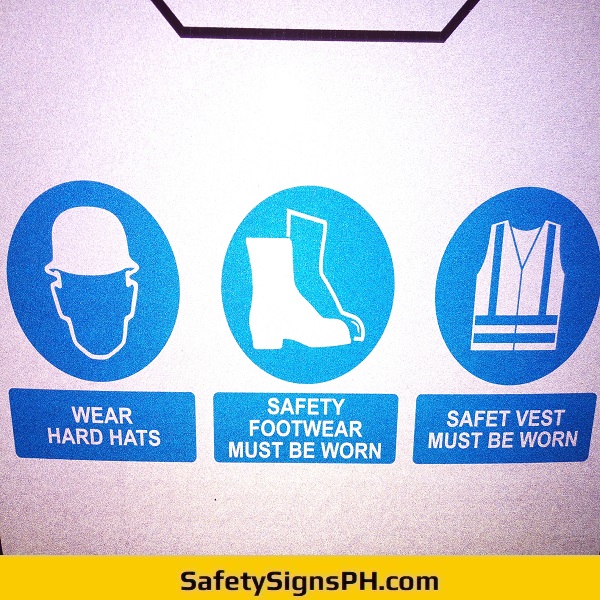
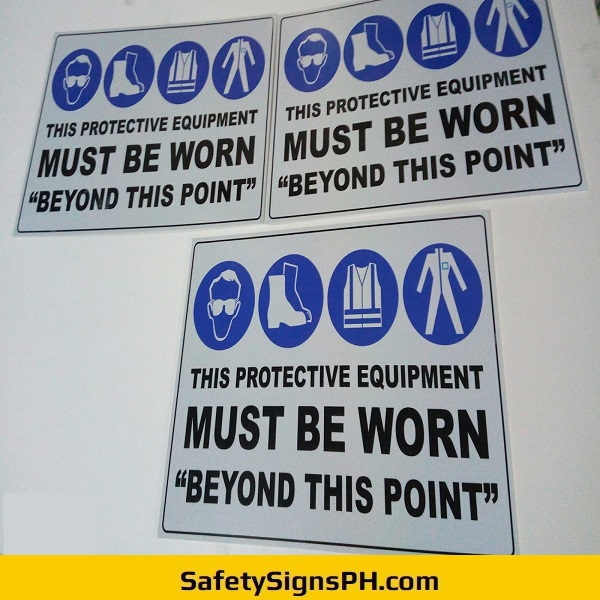
| Construction safety signages in the Philippines are a cornerstone of the nation’s occupational health and safety framework, bridging the gap between regulatory mandates and everyday site practice. Governed primarily by the Department of Labor and Employment (DOLE) through its Occupational Safety and Health Standards (OSHS) and reinforced by the Philippine National Standards (PNS) for safety colors, symbols, and pictograms, these signs serve to warn, guide, and protect workers, visitors, and the public from the myriad hazards inherent in construction environments. Typical sign categories include warning signs (e.g., “Fall Hazard – Wear Harness”), prohibition signs (e.g., “No Smoking”), mandatory signs (e.g., “Hard Hats Must Be Worn”), emergency‑information signs (e.g., “First‑Aid Station”), and fire‑control signs (e.g., “Fire Extinguisher”). Each sign must conform to specific size, color‑contrast, illumination, and placement criteria—such as a minimum 0.6 m height for high‑visibility placement on ladders, scaffolding, and near excavation edges—to ensure rapid recognition under varied lighting and weather conditions typical of the Philippine climate. The practical impact of these construction site signages is evident in reduced incident rates on large‑scale projects, especially when paired with comprehensive safety training and regular site audits. Companies that embed signage into an integrated safety management system—conducting periodic inspections, updating outdated graphics, and translating key messages into local dialects where necessary—are better positioned to meet DOLE’s inspection standards and avoid costly penalties. Nevertheless, challenges persist: informal construction sites often lack the budget or technical expertise to procure compliant signs, and rapid urban development can outpace the dissemination of updated standards. To address these gaps, recent initiatives by the Construction Industry Authority of the Philippines (CIAP) and non‑governmental safety advocacy groups have introduced subsidized sign kits, mobile app‑based compliance checklists, and public‑awareness campaigns that emphasize the “See‑Think‑Act” principle for every worker on site. As the country pushes toward greener, high‑rise infrastructure, the consistent and culturally sensitive application of construction safety signages will remain a vital safeguard, ensuring that progress does not come at the expense of the health and lives of those who build it. Related Product:   |
 |


No Comments yet. Add your Comments now!
Post a Comment