


    |
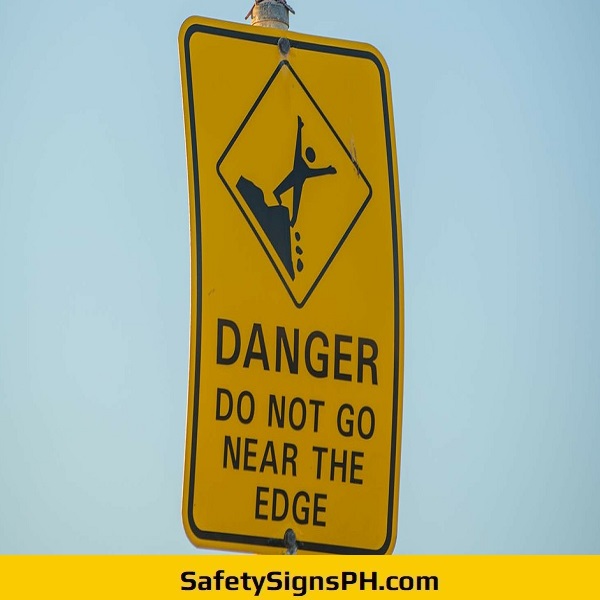
| Warning safety signs are an essential part of the country's occupational health and safety (OHS) framework, designed to alert workers and the public to potential hazards before an incident occurs. Governed primarily by the Department of Labor and Employment’s (DOLE) Occupational Safety and Health Standards (OSHS) and the National Building Code, these signs follow a standardized color‑coded system that is both recognizable and universally understood. The dominant hue of a warning sign is yellow, a color that signals “caution” and catches the eye, while the border is typically black and the pictogram or text is rendered in black as well. The shape is usually a triangle with a point upward, a visual cue that instantly conveys a sense of alert. Each sign conveys a specific risk: Symbol / Typical Meaning / Common Locations ⚡️ Lightning bolt / Electrical hazard – live wires, high voltage equipment / Power substations, construction sites, factory floors ❗️ Exclamation point / General danger – unspecified or multiple hazards / Walkways near heavy machinery, storage areas 🔥 Flame / Fire or flammable material – combustible substances, hot surfaces / Gas stations, kitchens, chemical storage rooms 🧪 Beaker with vapor / Chemical hazard – toxic, corrosive, or reactive chemicals / Laboratories, industrial plants, pesticide depots 📛 Skull & cross‑bones / Poisonous substance – lethal or highly toxic agents / Pesticide mixing stations, waste disposal zones 🪜 Ladder / Fall risk – elevated work areas, ladders, scaffolding / Construction sites, roof access points 🚧 Construction barrier / Work in progress – temporary hazards, restricted zones / Roadwork, renovation sites, mine shafts Beyond the visual symbols, many signs also include Tagalog or English text to reinforce comprehension, especially in multi‑lingual workplaces. The text is concise, using imperative verbs such as “Caution – Hot Surface” or “Do Not Enter – High Voltage” to leave no room for ambiguity. For audiences with limited literacy, the pictograms alone are sufficient, as the shapes and colors have been internationally standardized by ISO 7010 and the ANSI Z535 series, which the Philippines has adopted through its national standards (e.g., PNS 0120 for safety signs). Compliance with these signs is not merely a matter of good practice; it is a legal requirement. Employers who neglect proper signage may face penalties under the Safety Standards and Hazard Prevention Rules (SSHR) and can be held liable for accidents that could have been avoided. Moreover, regular sign audits—checking for visibility, damage, or outdated information—are mandated during routine safety inspections. In everyday life, Filipinos encounter warning signs outside workplaces as well, from “Caution – Uneven Road Surface” on highways to “No Swimming – Strong Currents” at beach resorts. Their ubiquity reinforces a culture of vigilance, reminding everyone that safety begins with awareness. By understanding the colors, shapes, and symbols of Philippine warning safety signs, workers, managers, and the public can better recognize hazards. Take preventive action and ultimately reduce the risk of injury or loss of life with our high quality safety warning signs. Feel free to contact us today to request a free, no-obligation quotation. Related Product:   |
 |


No Comments yet. Add your Comments now!
Post a Comment