


    |
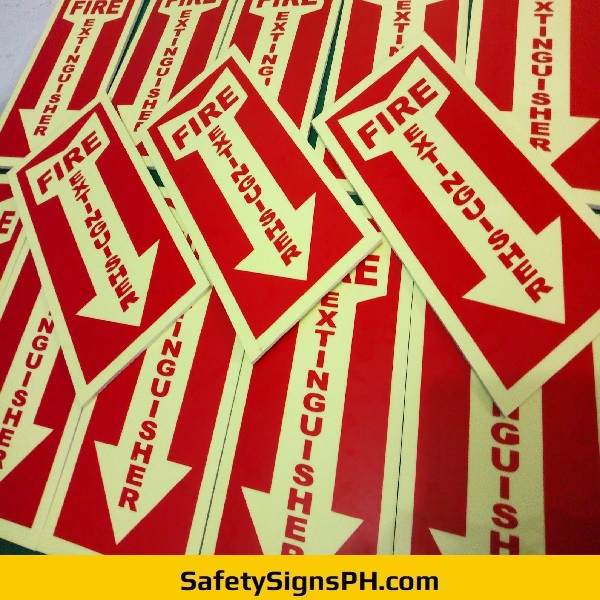
| In the Philippines, where fire hazards are a constant reality, the presence of readily accessible and functional fire extinguishers is crucial. However, an extinguisher's mere presence is not enough; its effectiveness hinges on clear and unambiguous identification through proper signage. These seemingly simple signs are silent guardians, guiding individuals to potentially life-saving equipment in emergency situations, making them an indispensable component of fire safety protocols. Understanding the standards and nuances of fire extinguisher signages in the Philippines is therefore paramount for building owners, safety officers, and the general public. The primary purpose of fire extinguisher signages is to quickly and easily direct individuals to the location of fire extinguishers, even under duress. They need to be visible, recognizable, and easily understandable, regardless of literacy levels. In the Philippines, the Bureau of Fire Protection (BFP) generally adheres to international standards like those outlined in ISO 7010 and the National Fire Protection Association (NFPA) standards, although specific local regulations might also apply depending on the city or municipality. These standards dictate the color, shape, size, and symbol used for these signs. Typically, fire extinguisher signages in the Philippines feature a bright red background, which is universally recognized as the color associated with fire and danger. Overlaid on this red backdrop is a white symbol of a fire extinguisher, often depicted in a simplified and stylized manner. The size of the signage is also regulated, ensuring it is large enough to be seen from a reasonable distance. Factors such as the size of the room, the complexity of the building layout, and ambient lighting will influence the recommended signage size. Beyond the basic visual elements, the placement of fire extinguisher signages is equally critical. Signs should be positioned directly above or adjacent to the fire extinguisher, ensuring clear visibility from multiple angles. They should also be mounted at a consistent height throughout the building, typically between 1.5 to 2 meters from the floor, to maintain uniformity and ease of recognition. Obstructions such as shelves, furniture, or decorations that could potentially obscure the signage must be avoided. In complex buildings, directional signs indicating the location of the nearest fire extinguisher should also be strategically placed in hallways, stairwells, and other key areas. Furthermore, the sign should clearly indicate the type of fire the extinguisher is effective against. In the Philippines, fire extinguishers are often classified by the types of fires they are designed to combat: Class A (ordinary combustibles like wood and paper), Class B (flammable liquids), Class C (electrical fires), Class D (combustible metals), and Class K (cooking oils and fats). Using appropriate symbols, such as the letters A, B, C, D, or K within a geometric shape, the signage helps users quickly identify the suitable extinguisher for the specific fire they are facing. This information is crucial for preventing the use of an incorrect extinguisher, which could potentially worsen the situation or prove ineffective. Regular inspections and maintenance of fire extinguisher signages are vital. Signages should be checked for damage, fading, or obstructions, and replaced or corrected as needed. Ensuring that the signs remain clean and well-lit contributes significantly to their visibility and effectiveness. Educating employees and residents about the meaning of these signs and the proper use of fire extinguishers is also essential, transforming the signages from mere indicators into active components of a comprehensive fire safety strategy. By investing in clear, compliant, and well-maintained fire extinguisher signages, the Philippines can significantly improve its fire safety posture and protect lives and property. Read to order your own customized fire extinguisher signages? Don't hesitate to contact us today to request a free quotation. We manufacture our products in accordance with safety design guidelines. Related Product:   |
 |


No Comments yet. Add your Comments now!
Post a Comment