


   |
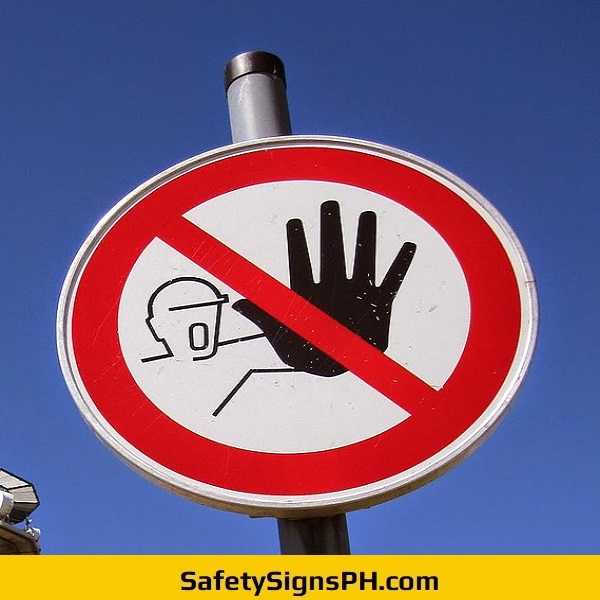
| More than just simple placards, "No Trespassing" signs, often written in a mix of English and Filipino, represent a complex interplay of property rights, cultural norms, and the ever-present need for security in a dynamic society. Understanding the significance of these signs requires a deeper dive into the legal framework, the cultural context, and the practical implications they hold for landowners and the public alike. The legal basis for "No Trespassing" signs in the Philippines stems from the country's property laws enshrined in the Civil Code. These laws grant landowners the right to exclusive possession and enjoyment of their property. Trespassing, defined as the unauthorized entry onto private land, is a violation of these rights and can be subject to legal repercussions. The purpose of the "No Trespassing" sign is to explicitly inform the public that access to the property is prohibited, thus serving as a clear warning against potential trespassers. While the presence of a sign doesn't automatically grant the owner the right to use excessive force, it does strengthen their claim in court should a trespassing incident occur. It serves as documented evidence that the trespasser was aware of the property's private status. Beyond the legal framework, the "No Trespassing" sign carries significant cultural weight in the Philippines. The concept of "pakikipagkapwa-tao," or shared humanity, is deeply ingrained in Filipino culture, often fostering a sense of community and interconnectedness. However, this inherent sense of community is balanced by a strong respect for private property and boundaries. Filipinos generally understand and respect the need for homeowners to protect their land, particularly in rural areas where livelihoods may depend on agricultural output. The sign then acts as a polite but firm reminder of these boundaries, encouraging respect for the owner's rights and minimizing potential conflict. The practical implications of "No Trespassing" signs extend beyond simply preventing unauthorized entry. They can also serve as a deterrent against theft, vandalism, and other illegal activities. In agricultural communities, for example, these signs can safeguard crops from opportunistic pilferers. They can also protect sensitive ecological areas from being disturbed or damaged by unauthorized individuals. Furthermore, in areas prone to natural disasters such as flooding or landslides, "No Trespassing" signs can warn individuals against entering potentially dangerous zones. However, the efficacy of "No Trespassing" signs can be affected by various factors. The visibility and clarity of the sign are crucial; an old, faded, or poorly placed sign can be easily overlooked or ignored. Moreover, the language used on the sign must be understandable to the local population. While English is widely spoken, using a combination of English and Filipino or the local dialect can be more effective in conveying the message. Furthermore, consistent enforcement is key. A sign alone is insufficient if trespassing is rampant and goes unaddressed. Landowners must be willing to take appropriate action, such as verbally warning trespassers or, in more serious cases, reporting them to the authorities. In conclusion, "No Trespassing" signs in the Philippines are more than just pieces of metal or plastic. They are tangible representations of legal rights, cultural values, and the constant negotiation between individual property ownership and the shared spaces of community life. While the effectiveness of these signs depends on various factors, including their visibility, clarity, and consistent enforcement, they remain a crucial tool for landowners seeking to protect their property and maintain a respectful balance within the vibrant and complex Philippine society. Do you need affordable yet high quality customized no trespassing signs to be installed in your property? You're in the right spot! Feel free to contact us us today to request a free, no-obligation quotation. Related Product:   |
 |


No Comments yet. Add your Comments now!
Post a Comment