


    |
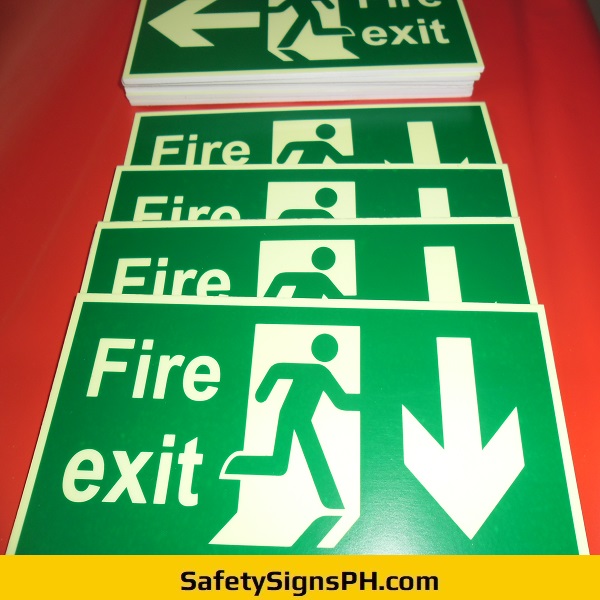
| Fire safety signages are not merely decorative fixtures; they are a legal and practical cornerstone of workplace and public‑space safety. Enacted by Republic Act 9514 (the Fire Code of the Philippines) and reinforced through the Department of Labor and Employment’s (DOLE) Occupational Safety and Health Standards, the law obliges every establishment—whether a high‑rise office tower in Makati, a bustling market in Cebu, or a residential condominium in Davao—to display clear, standardized signs that warn of fire hazards, indicate escape routes, and locate fire‑fighting equipment. The National Fire Protection Association (NFPA) 170 guidelines, adopted locally, dictate the colour‑coding (red for fire‑related information, green for safety equipment, blue for emergency exits), pictograms, and minimum dimensions to ensure visibility even in smoke‑filled conditions. The role of these signages extends beyond regulatory compliance. First, they communicate critical information instantly, bypassing language barriers in a multilingual nation where Tagalog, English, Cebuano, and numerous regional dialects coexist. Universal symbols—such as the “running man” for exit routes or the flame with a crossed circle for “no smoking”—allow workers, students, tourists, and emergency responders to act swiftly when seconds count. Second, the presence of well‑maintained signs reinforces a culture of preparedness; regular drills that reference the signage help embed evacuation procedures into daily routines, reducing panic and bottlenecks during an actual fire. Third, for fire‑fighters, precise signage shortens the time needed to locate fire extinguishers, standpipes, or fire alarm pull stations, thereby improving the effectiveness of the initial attack and limiting property loss. Compliance, however, faces challenges. Many small businesses and informal market stalls lack the resources or awareness to install signage that meets the ANSI/ISO‑7010 standards, leading to inconsistent fonts, faded colours, or misplaced signs. Local fire departments and municipal fire safety committees mitigate this by conducting periodic inspections, offering subsidized sign kits, and running community outreach programs that emphasize the “prevention is better than cure” ethos. In recent years, the Philippine Fire Protection Association (PFPA) has partnered with the private sector to develop low‑cost, solar‑powered illuminated signs for areas with unreliable electricity, ensuring visibility even during power outages—a frequent occurrence in the archipelago. Ultimately, fire‑safety signages in the Philippines serve as silent yet powerful guardians of life and property. By adhering to national codes, embracing universal design, and fostering community awareness, these signs transform ordinary spaces into resilient environments where the risk of fire is not only identified but actively managed. Their text‑only directives—“Exit →,” “Fire‑Extinguisher,” “Do Not Block”—are simple commands, but when properly deployed, they become the first line of defence against one of the most devastating threats a building can face. Searching for a high quality fire safety signages at a price you can afford? Look no further! SafetySignsPH is here to serve you. Don't hesitate to contact us today to request a free, no-obligation quotation. Related Product:   |
 |


No Comments yet. Add your Comments now!
Post a Comment