


   |
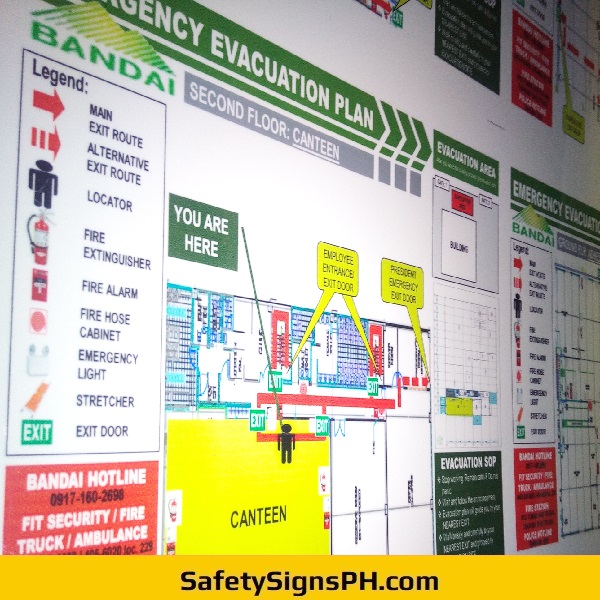
| Unlike powered emergency lighting, luminous safety signs require no electricity or batteries, making them especially valuable in remote barangays, mining sites, and disaster‑prone coastal towns in the Philippines where power cannot be guaranteed. Their durability, low maintenance cost, and instant visibility under low‑light conditions have driven widespread adoption across both public and private sectors. The Department of Public Works and Highways (DPWH) and the Occupational Safety and Health Center (OSHC) have incorporated GITD signage into national safety guidelines. Standards such as PNS 01:2012 mandate minimum luminous intensity, color coding, and placement for emergency egress, fire‑fighting equipment, and hazardous‑material zones. In practice, this means that every public school, hospital, and government building must display photoluminescent exit signs, stair‑way markers, and “Do Not Enter” warnings that remain legible even when blackout conditions follow a strong typhoon or earthquake. In Metro Manila’s high‑rise complexes, where elevators may stall and lighting systems can fail, GITD signs guide occupants to safe evacuation routes, reducing panic and preventing injuries. Industrial applications are equally compelling. The Philippines' growing mining and petrochemical sectors operate 24/7 in rugged environments where conventional lighting can be hazardous or impractical. GITD safety signs are installed on oil rigs, offshore platforms, and underground mines to delineate hazardous zones, emergency shut‑off points, and escape routes. Because photoluminescent materials are resistant to corrosion, UV radiation, and extreme temperature fluctuations, they endure the harsh tropical climate and salt‑laden sea air longer than many LED alternatives. Moreover, the absence of electrical components eliminates ignition risks in flammable atmospheres, aligning with the stringent safety protocols required by the Department of Energy (DOE) and the Mines and Geosciences Bureau (MGB). Beyond buildings and industry, GITD signage plays a pivotal role in disaster preparedness and community resilience. Barangay flood‑prone areas now feature glow‑in‑the‑dark markers on evacuation routes, riverbanks, and temporary shelters, ensuring that residents can navigate safely even after night‑time storms that knock out power grids. In coastal municipalities, marine navigation buoys equipped with photoluminescent panels aid fishermen and rescue teams during nocturnal operations. Local manufacturers such as LuminaTech Philippines and BrightPath Industries have responded to this demand by producing signs that comply with both international ISO 7010 standards and local PNS requirements, fostering a homegrown supply chain that reduces import costs and supports the domestic economy. The future of luminous safety signs in the Philippines looks promising. Emerging technologies are integrating nanophosphor pigments that boost brightness and extend charge‑up time, allowing signs to glow for up to 12 hours after a single exposure to daylight. Coupled with smart‑city initiatives, these advanced signs could be linked to sensor networks that trigger additional illumination during emergencies, creating layered safety systems that blend passive photoluminescence with active lighting. Our customized luminous safety signages are an indispensable element in ensuring public safety and disaster‑risk reduction. Feel free to message us today to request a free, no-obligation quotation. Related Product: 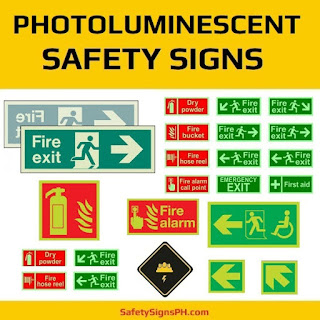  |
 |


No Comments yet. Add your Comments now!
Post a Comment