


     |
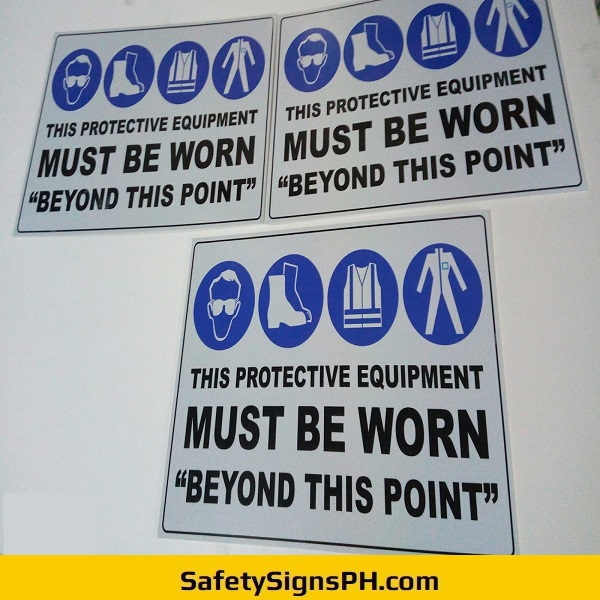
| The Philippines’ construction sector is booming. Skyscrapers now punctuate the Manila skyline, highways snake through the archipelago, and massive housing projects rise in the provinces. With this rapid development comes a stark reality: every day, thousands of workers, visitors, and passers‑by share the same congested sites, each exposed to hazards ranging from falling objects and heavy machinery to extreme weather and uncontrolled traffic. In such an environment, construction safety signage is not merely a decorative add‑on—it is a critical component of risk‑management, legal compliance, and operational efficiency. Below are the most compelling reasons why any construction stakeholder in the Philippines should prioritize the installation of high‑quality, standards‑compliant safety signs. 1. Legal Mandates and Regulatory Compliance a. Department of Labor and Employment (DOLE) Orders – DOLE Administrative Order 2003‑01 and the Occupational Safety and Health (OSH) Standards for Construction explicitly require the use of safety signs to warn of hazards, indicate required protective equipment, and control site access. Non‑compliance can lead to fines, work stoppages, or even criminal liability under the Philippine Labor Code. b. National Building Code & Local Ordinances – Municipal and city building offices routinely inspect sign placement during the issuance of permits and the final occupancy clearance. Proper signage can thus smooth the permitting process and avoid costly re‑inspection cycles. c. International Standards Alignment – The Philippines adopts the Philippine National Standards (PNS) 011:2018 for safety signs, which are harmonized with ISO 7010 and the U.S. OSHA standards. Aligning with these benchmarks not only satisfies local law but also positions projects for future foreign investment and joint‑venture opportunities. 2. Reducing Accidents and Saving Lives a. Instant Hazard Communication – A bright, universally‑recognized sign at a crane‑loading zone tells a worker in a split second to wear a hard hat and high‑visibility vest, dramatically cutting the likelihood of head injuries. b. Controlling Public Interaction – In densely populated urban sites, pedestrians often wander into dangerous zones. “No Entry – Construction Area” signs, coupled with physical barriers, keep civilians safe and protect the project from liability claims. c. Weather‑Related Risks – The Philippines is prone to typhoons, heavy rain, and intense sun. Weather‑specific signs (“Rain‑Water Accumulation – Wear Non‑Slip Footwear,” “Heat Stress – Stay Hydrated”) remind crews to adjust work practices before conditions become fatal. Statistical data from DOLE’s 2022 Safety Report shows that sites with comprehensive signage experienced a 30‑40 % reduction in recordable injuries compared with those relying solely on verbal warnings or training. 3. Boosting Productivity and Project Efficiency a. Clear Instructions Reduce Rework – When a sign reads “Only Use 20‑ton Rated Forklift Here,” operators avoid overloading equipment, preventing equipment damage and costly downtime. b. Faster Orientation for New Workers – The Philippines’ construction labor pool is fluid; new laborers join a site almost daily. Visible signs serve as a quick‑reference onboarding tool, shrinking the learning curve and allowing supervisors to focus on skill development rather than repetitive safety briefings. c. Enhanced Coordination Among Trades – Separate signs for electrical, plumbing, and structural zones prevent cross‑interference. For instance, a “Live Electrical – 220 V” sign warns the masonry crew to keep a safe distance, averting accidental electrocution and the subsequent work stoppage. 4. Cost‑Effectiveness Over the Long Term A common misconception is that safety signage adds a sizable expense to the project budget. In reality, the cost of a high‑quality, weather‑resistant sign is often less than 0.5 % of the total material budget, while the financial impact of a single serious accident can reach millions of pesos in medical expenses, legal fees, compensation, and reputational damage. Example: A 150‑meter high‑rise project in Quezon City allocated ₱250,000 for a full suite of safety signs. Six months later, the site reported zero lost‑time incidents, saving an estimated ₱5‑million in potential injury claims and productivity loss. The return on investment (ROI) was therefore 2,000 %. 5. Strengthening Company Reputation and Stakeholder Confidence Clients, investors, and the general public increasingly scrutinize a contractor’s safety culture. Publicizing a comprehensive signage system—especially one that meets PNS and ISO standards—signals a commitment to worker welfare and responsible operations. This can be a decisive factor in winning government contracts, securing foreign financing, and maintaining goodwill in the communities surrounding a site. 6. Tailoring Signage to the Philippine Context a. Bilingual Messaging – While English symbols are universally understood, adding Tagalog or regional language captions (“Mag‑ingat – Babala sa Pagbagsak”) ensures comprehension among local laborers who may have limited English proficiency. b. Climate‑Resilient Materials – UV‑stabilized aluminum, galvanized steel, and high‑density polyethylene (HDPE) resist corrosion from salt‑air in coastal areas and the relentless tropical rain. c. Cultural Sensitivity – Using locally familiar icons (e.g., a jeepney for “Vehicle Traffic”) helps bridge the gap between standard symbols and everyday experiences in the Philippines, increasing the likelihood that the sign’s message is acted upon. 7. Best Practices for Implementation Audit the Site Early – Conduct a hazard‑identification walk‑through before construction begins to map out where each type of sign is required. Adopt a Signage Plan – Draft a master layout, specifying size, mounting height, illumination (solar‑powered LEDs for night visibility), and maintenance schedule. Engage Certified Suppliers – Choose vendors accredited by the Bureau of Philippine Standards (BPS) to guarantee compliance with PNS 011. Train Supervisors on Sign Placement – Proper positioning (e.g., at eye level, unobstructed sightlines) maximizes effectiveness. Regular Inspection – Include sign integrity checks in daily safety rounds; replace torn or faded signs promptly. Conclusion In the rapidly expanding construction landscape of the Philippines, safety signage is a strategic asset rather than a decorative afterthought. It fulfills legal obligations, saves lives, enhances productivity, curtails costs, and projects a professional image that resonates with clients, regulators, and the community. By investing in durable, bilingual, and standards‑compliant signs—and by integrating them into a broader safety‑management system—developers, contractors, and owners can turn one of the simplest tools on the construction site into a powerful catalyst for safer, smoother, and more successful projects. If you are planning a new development, renovating an existing structure, or managing an ongoing construction venture, make the installation of proper safety signage one of the first items on your project checklist. The return on that modest investment will be measured not only in avoided accidents but also in the confidence of every worker who steps onto your site. Ensure the safety of construction workers and the public at all times with our customized safety signages. Feel free to message us today to request a free, no-obligation quote. Related Product:   |
 |


No Comments yet. Add your Comments now!
Post a Comment