


    |
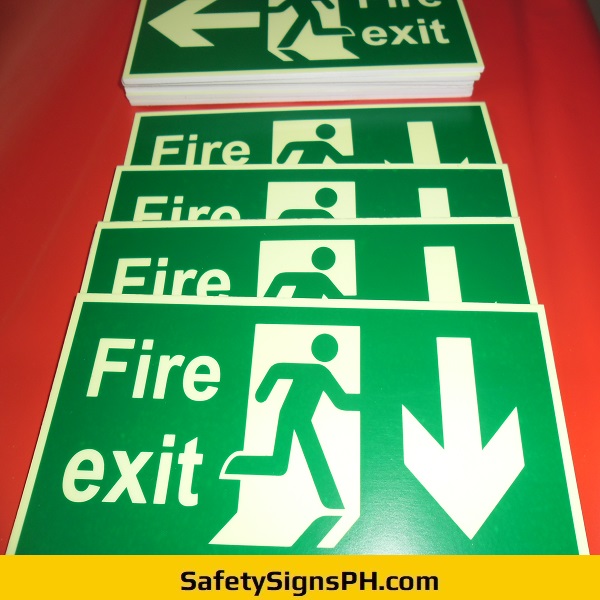
| In the Philippines, an often-overlooked yet critical language silently guides, warns, and protects: the colors and meanings of safety signs. From bustling metropolitan thoroughfares to remote provincial roads, from towering office buildings to intimate community centers, these ubiquitous symbols form an unseen layer of defense, translating international safety standards into a locally resonant dialogue. Understanding this palette is not just about compliance; it's about shared vigilance and, often, survival. Red: The Unmistakable Command of Danger and Prohibition Red is the undisputed universal color for danger, prohibition, and fire safety. In the Philippines, its message is unequivocal: STOP. In traffic, it manifests as the stark "No Entry" (Bawal Pumasok) or "Do Not Proceed" signs, often accompanied by the iconic red octagon of the stop sign. Around construction sites, a red sign might declare "Danger: High Voltage." Crucially, red is also the color for all fire-fighting equipment – fire extinguishers, alarms, and hydrants are painted or marked in this vibrant hue, instantly signaling where to find assistance during an emergency. The urgency conveyed by red is immediate and absolute, demanding instant cessation of action or heightened awareness of a life-threatening hazard, a message deeply ingrained in the Filipino consciousness, especially concerning fire safety campaigns. Yellow/Amber: The Call for Caution and Warning Where red demands a halt, yellow or amber signals caution and warning of a potential hazard. This color indicates that while immediate danger may not be present, vigilance is required. On Philippine roads, yellow chevron signs warn of sharp curves, while "Slippery When Wet" or "Men At Work" signs often feature yellow backgrounds. In workplaces, yellow striped tape marks areas where caution is needed, like uneven floors or overhead obstructions. During the Philippines' frequent typhoon season, local government units often use yellow flags or temporary signs to mark flood-prone areas, advising residents to prepare for evacuation. Yellow is the color of foresight, urging individuals to assess and mitigate risks before they escalate. Blue: The Directive for Mandatory Actions Less about danger and more about instruction, blue signifies mandatory actions or specific instructions. These signs typically dictate behavior or the use of personal protective equipment (PPE). In factories or industrial zones across the Philippines, blue signs mandate "Wear Hard Hats" or "Eye Protection Required." On the roads, blue circular signs might direct traffic to "Keep Left" or "Turn Right Only." Blue represents discipline and adherence to safety protocols, ensuring that individuals take necessary steps to protect themselves and others, a common sight in the country's growing manufacturing and BPO sectors. Green: The Reassurance of Safety and Emergency Routes When crisis strikes, green is the color of hope and the path to safety. It unequivocally designates safe conditions, first aid stations, and emergency escape routes. Illuminated green "EXIT" signs are paramount in ensuring orderly evacuation during earthquakes or fires, guiding people to assembly points outdoors. First aid kits, emergency showers, and designated safe areas are often marked with green crosses or symbols. In a nation frequently in the path of natural disasters, these green beacons are vital, offering clear, unambiguous directions to refuge and assistance when moments count the most. White/Black: The Foundation of Information While not directly indicating hazard or safety, white and black signs provide crucial general information and directions. Street names, building directories, information boards, and many public notices fall under this category. They provide the necessary context, giving depth to the other colored signs. In the Philippines, where English and Filipino are both widely spoken, these signs often feature bilingual text, ensuring that essential information reaches a broader audience, contributing to overall awareness and order. Together, these colors form a silent, yet powerful, network of communication that transcends language barriers. In the Philippines, where the dynamic interplay of natural phenomena, urban development, and community life presents a unique set of challenges and opportunities, these safety signs are more than just symbols; they are guardians, constantly reminding us of the fragility of safety and the imperative of collective responsibility. To truly navigate the archipelago safely is to not just see these colors, but to understand their profound and life-saving messages. Searching for a high quality safety signages at a price you can afford? You're in the right spot! Don't hesitate to contact us today to request a free, no-obligation quotation. Related Product:   |
 |


No Comments yet. Add your Comments now!
Post a Comment