


   |
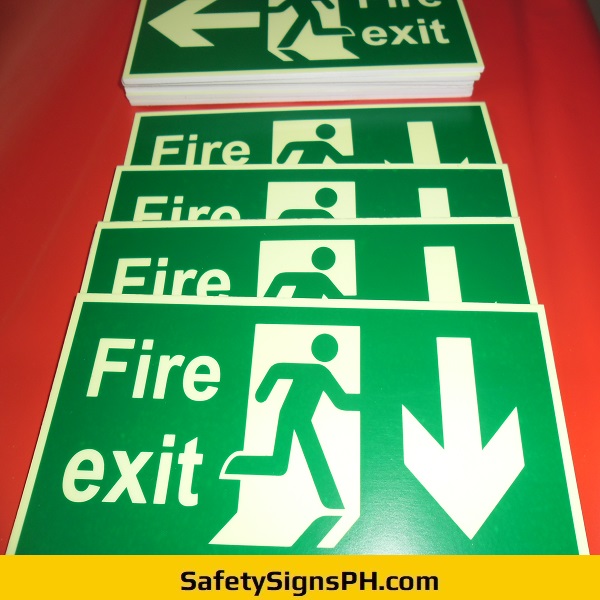
| When you walk through a commercial building, a school, a hospital or even a high‑rise condominium in the Philippines, the first line of defense against a fire is often invisible to the casual observer: the network of fire safety signs that guide occupants before, during and after an emergency. To be truly effective, these signs must meet the technical requirements of the Philippine Fire Code (RA 9514) and the National Fire Protection Association (NFPA) standards that the country has adopted, while also being legible and culturally appropriate for Filipino users. Key visual cues – The most recognizable feature of any fire‑safety sign is its colour scheme. Red denotes emergency equipment (e.g., fire‑extinguishers, fire‑hoses, alarm pull stations) and is paired with a white background for maximum contrast; green signals safe‑exit routes and must be accompanied by a white “running man” symbol. Yellow or orange are reserved for cautionary messages such as “No Smoking” or “Flammable Materials – Keep Away”. All symbols should be standardized pictograms (the iconic fire‑engine, flame, or ladder icons) that are instantly understandable even by those who cannot read English or Filipino. Size, placement and illumination – The law mandates a minimum height of 300 mm for pictograms and a minimum letter height of 30 mm for text, ensuring visibility from a distance of at least 10 m. Signs directing exits must be installed above door frames at a height of 1.8–2.1 m and be illuminated (either by an independent emergency lighting circuit or photoluminescent material) so they remain visible during power failures. In high‑traffic zones—lobbies, stairwells, corridors, and near elevators—multiple copies should be spaced no more than 12 m apart. Language and terminology – In the Philippines, fire‑safety signs are required to be bilingual: English for compliance with international standards and Filipino (Tagalog) for local comprehension. For example, a sign may read “Fire Exit – EXIT” with the Filipino equivalent “Labasan ng Sunog – LABASAN”. This dual‑language approach reduces confusion during a crisis, especially in mixed‑use buildings where occupants may range from expatriates to local residents. Maintenance and periodic checks – A sign that is faded, cracked, or obscured by paint loses its legal validity. The Fire Code obliges building owners to conduct quarterly inspections and to replace any damaged signs within 30 days. Moreover, signs near fire‑extinguishers or alarm pull boxes should be checked after any fire‑drill or actual incident to verify that the surrounding area remains clear. Common sign types you’ll encounter Sign Type / Typical Symbol / Key Message Fire Exit / Green running man / “Emergency Exit – Labasan” Fire Extinguisher / Red fire‑extinguisher icon / “Fire Extinguisher – Aparato ng Sunog” Fire Alarm Pull Box / Red bell or hand pulling lever “Pull Alarm – I-pull ang Alarma” No Smoking Red slash over a cigarette / “No Smoking – Bawal Manigarilyo” Assembly Point / Green figure with arrow / “Assembly Point – Punto ng Pagtitipon” Flammable Materials / Yellow flame / “Flammable – Mapanganib na Materyales” What to verify on site Colour accuracy – Red for emergency equipment, green for exits, yellow for hazards. Clear pictograms – No distortion; symbols conform to NFPA 170. Legible bilingual text – No missing letters, proper spacing, correct translations. Proper height & illumination – Mounted within the prescribed range and lit during power loss. Unobstructed view – No furniture, signage, or decorative items covering the sign. Up‑to‑date compliance – Check that the sign references the latest edition of the Fire Code (2022 amendments). In short, a fire‑safety sign in the Philippines is more than a piece of cardboard; it is a legally mandated, meticulously designed communication tool that saves lives. By paying attention to colour, symbols, size, placement, language, and maintenance, anyone—from building managers to everyday occupants—can quickly assess whether the fire‑safety signage in a premises meets the standards that keep the nation’s fire‑risk under control. Related Product:   |
 |


No Comments yet. Add your Comments now!
Post a Comment